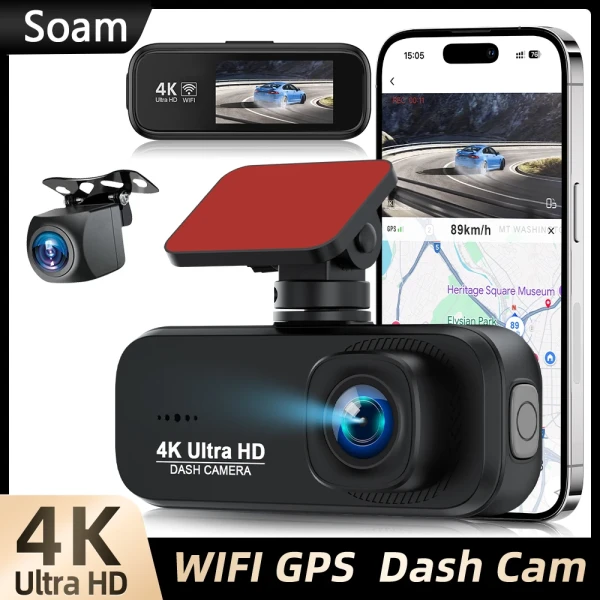
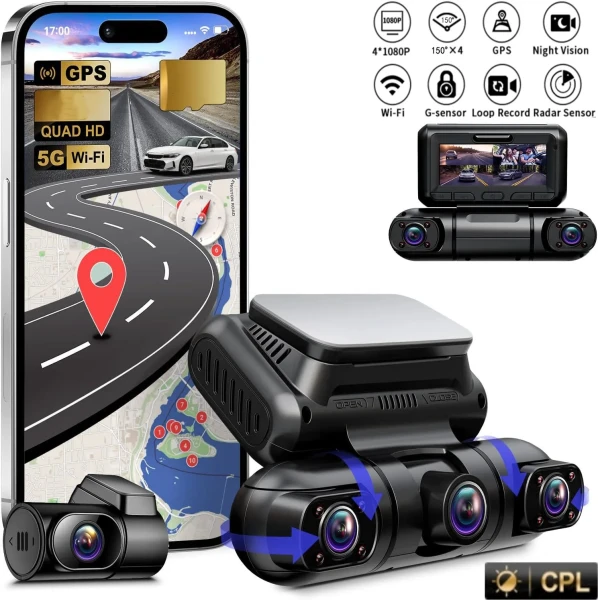
A dash cam is one of the cheapest pieces of insurance you can put on a windscreen. It will not stop an accident, but it settles the argument afterward: who ran the light, who changed lanes without checking, who is lying about what happened. AliExpress sells hundreds of them, from ten dollar clip-on cameras to full front and rear kits with parking mode and GPS. Most buyers do not need the expensive end. This guide covers what actually matters, what to ignore, and roughly what each price band gets you.
Read also: Browse all Electronics deals · What to look for in a cheap water bottle · Best adjustable dumbbells in 2026
Why a dash cam is worth having
Footage from a dash cam is the single strongest piece of evidence in a minor collision or a dispute with an insurer. Without it, most crashes come down to two drivers giving opposite accounts, and whoever sounds more confident often wins. With clear footage, the argument is usually over in seconds. It also helps against staged accidents, a real problem on some roads, where a driver brakes suddenly to force a rear collision and then claims injury. A camera pointing forward is not glamorous kit, but it is one of the cheapest items in the car electronics aisle that pays for itself the first time you actually need it.
Resolution and night vision: what actually matters
Every listing shouts about resolution, but the number on the box matters less than how the footage looks when it counts, which is usually at night or in rain. A genuine 1440p or 2K sensor with a wide aperture lens will read a number plate in the dark far better than a cheap 4K camera with a small, low quality sensor squeezed under a fake spec sheet. Look for a stated aperture (f/1.8 or lower is good) and check the sample footage in the listing photos or reviews rather than trusting the resolution figure alone. WDR, wide dynamic range, is the other feature worth having, because it stops headlights and streetlights from blowing out into a white blob that hides everything behind them.
Field of view
A wide angle lens, around 140 to 170 degrees, captures more of the road and the cars beside you, which matters for side swipes and junction disputes. Too wide, past around 170 degrees, and the image starts to distort at the edges, stretching number plates just where you need them sharp. A moderate wide angle beats an extreme one for evidence you can actually read.
Parking mode, loop recording and storage
Loop recording is standard on almost every dash cam now: the camera keeps filming in a loop, overwriting the oldest footage once the memory card fills up, while automatically locking and saving any clip where the impact sensor detects a knock. Parking mode is the feature that separates a basic camera from a genuinely useful one. It keeps recording, or wakes on motion or impact, while the car is parked, which is exactly when a hit and run or a shopping trolley scrape happens with nobody around to see it. A true parking mode needs either a hardwire kit tapped into the fuse box or a capacitor battery, because it drains a car battery fast if left running off the cigarette lighter alone.
Storage is worth checking before you buy rather than after. Most budget cameras top out at a 128 or 256 gigabyte card and need a genuine high endurance microSD card rated for constant overwrite recording, not a normal card meant for photos. A cheap generic card is the most common cause of dash cam failure, corrupting files or dying within months under the constant write cycles.
AliExpress price bands and what you get
Under fifteen dollars buys a basic single lens camera: usable footage in daylight, weak at night, no parking mode worth trusting, and often a tiny screen or none at all. Between fifteen and forty dollars is where most sensible buyers land: a proper 1440p or 2K front camera, decent night performance, loop recording, and often a basic parking mode with a capacitor. From forty to eighty dollars you start seeing dual channel kits with a second rear or interior camera, better GPS logging of speed and location, and app control over WiFi. Above eighty dollars, up toward one hundred fifty, the front and rear image quality both improve meaningfully and the parking mode becomes reliable enough to trust unattended for days.
Installation and the law
Mount the camera behind the rear view mirror, low enough that it does not block your line of sight, and run the cable along the top of the windscreen and down the A pillar so it does not dangle across your view. A hardwire kit is worth the extra ten or fifteen dollars if you want a working parking mode, since it taps a fused, low current circuit and includes a cutoff that protects the car battery. On the legal side, rules vary by country: some allow dash cam footage freely, others restrict where you can mount it on the glass or how you can use audio recording and footage of other people, particularly inside private property. If you plan to record audio or park outside someone's home regularly, check your local rules rather than assuming the camera's country of manufacture reflects your own laws.
Who should skip a dash cam
If you drive rarely, park in a private garage, and have never had a close call, a budget dash cam is a small, low risk purchase rather than an urgent one. If you already have a car with a factory-fitted camera system, check whether it covers the same ground before buying a duplicate. But for anyone driving daily in traffic, parking on the street, or living somewhere with a reputation for staged accidents or hit and run parking damage, a dash cam in the fifteen to forty dollar range is one of the highest value small electronics purchases you can make for a car.
Frequently asked questions
Do I need front and rear cameras? Front only covers the collision that matters most, someone hitting you from ahead or you needing to prove what happened at a junction. Rear adds real value if you are rear-ended often or want coverage of a parking scrape from behind, but it is not essential for a first camera.
What SD card should I buy? A genuine high endurance microSD card from a known brand, rated for dash cam or security camera use, in the largest capacity your camera model supports. Skip generic unbranded cards even if they are cheaper, since they are the most common cause of failed recordings.
Will a cheap dash cam drain my car battery? Running only off the cigarette lighter with no parking mode will not drain the battery, since it only records while the engine is on. A parking mode running on a hardwire kit without a cutoff switch can drain a weak battery over several days, so use one with a capacitor or a voltage cutoff.
Is dash cam footage legal to use as evidence? In most countries yes, footage from your own dash cam is commonly accepted by insurers and police, though rules on audio recording and where you can point the camera vary by country. Check local rules if you plan to record audio or use footage involving other people's property.
A dash cam is not an exciting purchase, but it is one of the few pieces of car kit that can save you real money and real stress the first time you need it. Pick a genuine 1440p or 2K sensor over an inflated 4K spec, get a proper high endurance SD card, and add a hardwire kit if parking mode matters to you. Spend between fifteen and forty dollars, mount it cleanly behind the mirror, and you will have solid, readable footage waiting the one time it actually counts.