You lose a gunfight because you heard the footsteps a half second too late, or your team keeps asking you to repeat yourself over a muddy mic. A gaming headset is supposed to fix both problems, yet the shelves on AliExpress are full of $15 boxes promising 7.1 surround and RGB fireworks. The real question for a competitive player is simple: which cheap headset actually helps you hear the enemy first and talk clearly, and which one just looks the part. In 2026 several budget models genuinely deliver, but only if you know which three things to check before you pay. This guide shows you what matters, what to ignore, and how to shortlist a headset that wins rounds instead of collecting dust.
Read also: Browse all Electronics deals · What to look for in a cheap water bottle · Best budget dash cam in 2026
What a Budget Gaming Headset Must Get Right
For competitive play, a headset has one core job: give you accurate positional audio so you can place a sound in space, and a microphone clear enough that your call-outs land the first time. Everything else, the lights, the fabric, the box art, is secondary. A cheap headset earns its price when footsteps, reloads and directional cues come through cleanly, and when your team never asks what you said. Before you compare listings, decide whether you play fast shooters where every step counts, or slower games where comfort over long sessions matters more, because that choice changes which tier fits you.
Specs that actually matter
- Drivers: 40mm or 50mm dynamic drivers give the fullest, most locatable sound at this price.
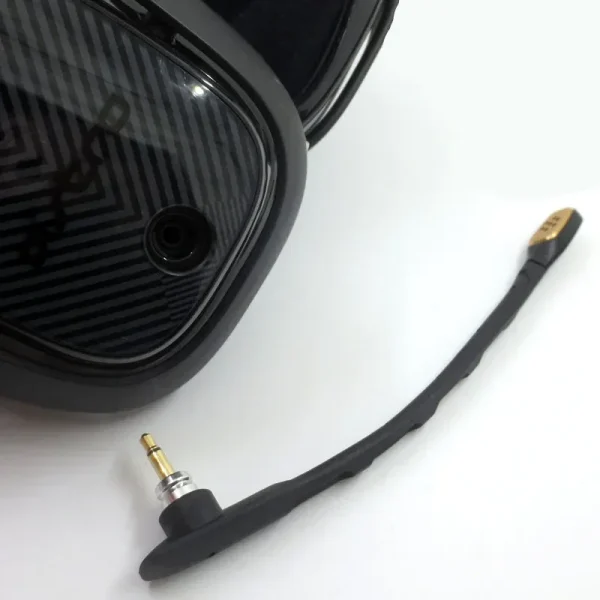
- Microphone: a detachable or flip-to-mute boom mic with noise isolation beats a fixed pinhole mic.
- Connection: a wired 3.5mm or USB link removes the wireless lag that hurts fast games.
- Comfort: memory foam earcups and a light frame matter for three-hour sessions.
- Compatibility: confirm it works with your PC, PS5 or Switch before you buy.
One detail buyers miss: virtual 7.1 surround on a cheap headset is software, not hardware, and it often smears the exact stereo cues competitive players rely on. A clean stereo pair with good drivers usually beats fake surround for locating an enemy, so do not pay extra for a big surround-sound number alone.
Matching the Headset to How You Play
Rather than crowning one winner, match the tier to your game. Prices below reflect typical AliExpress store pricing in early 2026 and shift with flash sales and seller.
Casual and voice chat: $15 to $25
- 40mm drivers and a fixed boom mic cover party chat and casual matches.
- Wired 3.5mm keeps latency low and works across console and PC.
- Fine for hearing general direction, less precise for pinpoint footsteps.
- Skip the heaviest RGB models; the lights drain nothing useful into audio.
Competitive play with headroom: $25 to $45
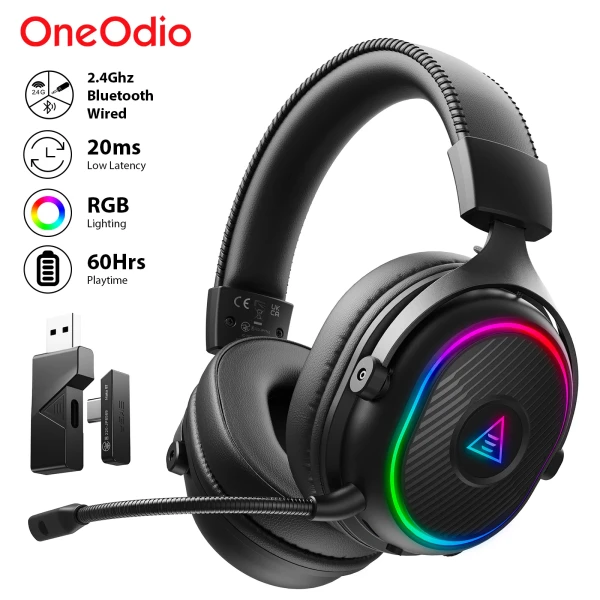
- 50mm drivers and a detachable noise-isolating mic sharpen footsteps and call-outs.
- USB models add a clearer mic and simple in-line volume control.
- Memory foam cups stay comfortable through a full ranked session.
- The value zone for most competitive players in 2026.
Wireless and all-day comfort: under $70
- Low-latency 2.4GHz wireless, not Bluetooth, keeps audio in sync with the action.
- Lightweight frames and breathable cups suit marathon sessions.
- Check battery life and that a wired mode exists as a backup.
If you want to compare models side by side, browse all electronics deals and shortlist two or three before you commit. You can also check the latest electronics drops for seasonal price cuts on popular headsets.
How to Vet a Gaming Headset Before You Buy
A product photo is easy to stage, a seller history is harder to fake. Spend three minutes on these checks before you order.
- Confirm the driver size: look for 40mm or 50mm stated clearly, not just 'HD stereo'.
- Check the mic type: a detachable or flip boom beats a fixed hole; look for a noise-cancelling note.
- Read the connection: wired 3.5mm or USB for competitive play, 2.4GHz if you want wireless.
- Store rating: aim for 95% positive or higher over the last six months.
- Buyer mic clips: search the reviews for audio samples, since mic quality is the hardest thing to guess.
One more tip: search the exact model name before buying. Many no-brand headsets share a chassis with a named model, so a review video with a real mic test tells you more than any listing photo about how you will actually sound to your team.
Common Questions Answered
Are cheap gaming headsets good enough for competitive FPS?
Yes, if you pick for audio and mic rather than looks. A $30 headset with 50mm drivers and a clean stereo image lets you place footsteps and reloads well enough for ranked play. Where premium sets pull ahead is refined imaging and build quality, but those margins matter less than your settings and practice.
Wired or wireless for competitive play?
Wired wins on consistency. A 3.5mm or USB cable removes any wireless lag and never needs charging mid-match. If you want wireless, choose a low-latency 2.4GHz dongle rather than Bluetooth, which adds delay that hurts fast shooters. Keep a wired backup for tournament settings.
Do I need virtual 7.1 surround sound?
Not really. On budget headsets, 7.1 is a software effect that can blur the precise left-right cues competitive players depend on. A solid stereo pair with good drivers usually locates enemies more accurately. Treat surround as a bonus to test, not a feature to pay extra for.
Will a budget headset mic sound clear to my team?
A detachable or flip boom mic with noise isolation sounds clear enough for call-outs on most $25 to $45 headsets. Fixed pinhole mics pick up more room noise and sound thinner. Check buyer reviews for a real mic clip, since that is the single hardest spec to judge from a listing.
Making the Right Call for Your Setup
A cheap gaming headset is worth it when you buy for the things that win rounds: locatable audio and a mic your team can understand. Pin down how you play, insist on 40mm or 50mm drivers with a detachable or flip mic, choose a wired link or a proper 2.4GHz wireless one, and confirm it fits your platform. Get those right and a $30 headset will feel sharp for years while it earns its place on your desk. Get them wrong and even a flashy bargain will leave you asking your team to repeat the call. Match the tier to your game and the cheap ones are, for most competitive players, genuinely enough.